
Why Should Dental Service Organizations Choose Reprolog?
June 27, 2024
Dental Service Organizations (DSOs) are rapidly transforming the dental industry by centralizing key non-clinical functions, such as billing, HR, and compliance, to allow dental professionals to focus on providing high-quality patient care. However, one of the most vital areas DSOs must manage is infection control compliance, which must adhere to strict regulatory standards set by regulatory boards.
With the increasing complexity of compliance requirements across multiple practices, maintaining consistent infection control protocols can be a daunting task. That’s where Reprolog steps in to streamline and simplify the process, ensuring that DSOs meet regulatory standards and improve operational efficiency.
Centralized Management for DSO Headquarters
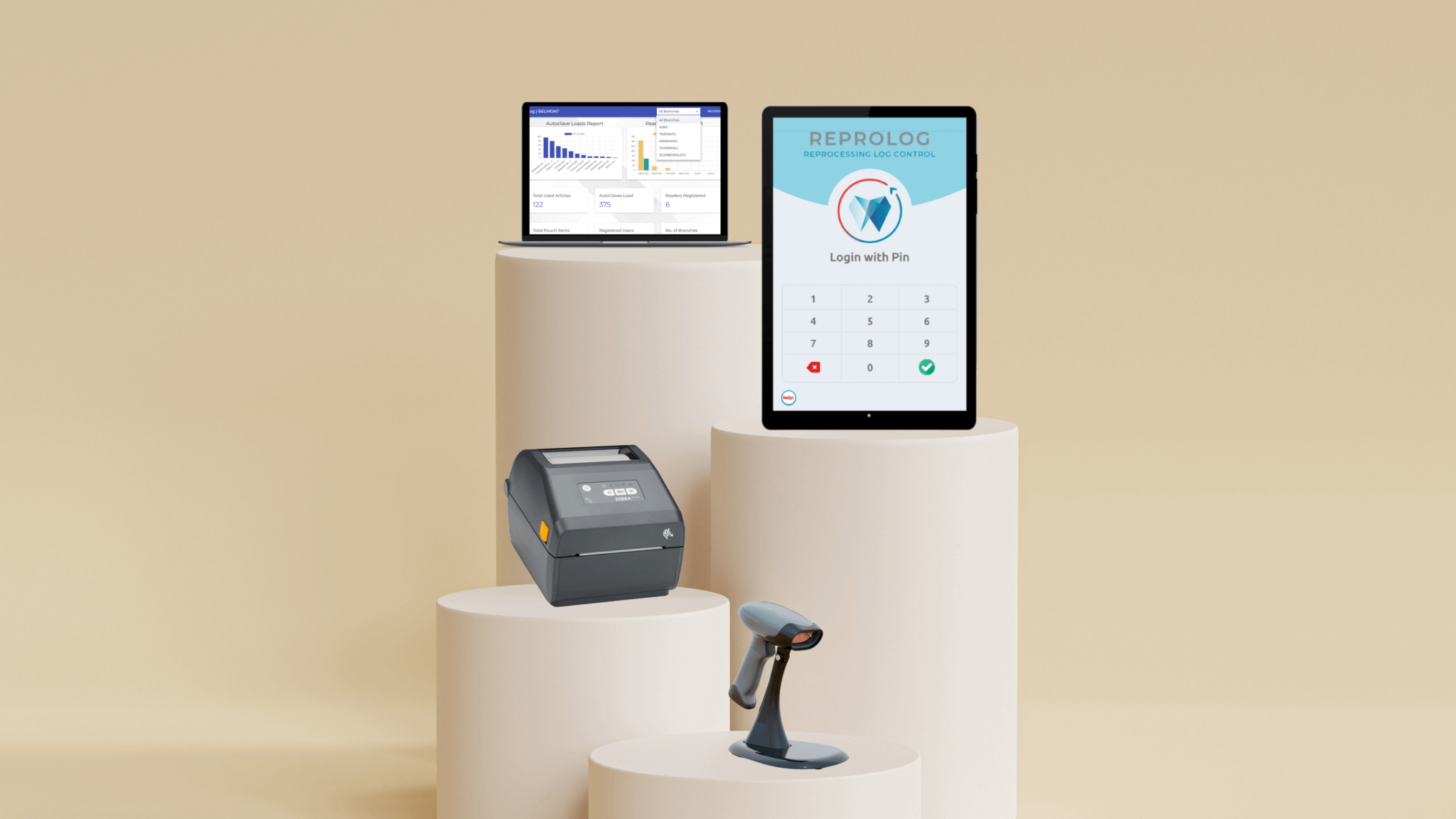
For DSOs with multiple locations, managing infection control compliance can be a logistical challenge. However, Reprolog provides a web-based, centralized management system that allows DSO headquarters to oversee compliance across all clinics. This centralized platform provides compliance managers with real-time insights into the sterilization status of every clinic, allowing them to track sterilization activities and ensure that all practices are adhering to established protocols.
Headquarters can access this data remotely, meaning there is no need for physical visits to each location to verify compliance. This remote oversight capability allows for more efficient monitoring and faster response times in case any compliance issues arise. The centralized dashboard enables headquarters to review compliance reports and even access sterilization records for audits or inspections without burdening individual clinics. This approach not only simplifies the compliance process but also enhances the overall management of infection control across the DSO network, ensuring consistent and effective oversight.
Automated Tracking and Documentation of Sterilization Cycles
For DSOs, tracking every sterilization cycle is critical to ensuring that dental instruments are properly sanitized and compliant with regulatory standards. Reprolog utilizes advanced technology to track each instrument’s journey through the sterilization process. This system monitors every step. The labels with unique control numbers attached to each instrument provide real-time data, making it easier for DSOs to document every cycle.
The automation of this process eliminates the need for manual logging, which can often be prone to human error. By removing manual documentation, Reprolog ensures that the records are accurate, timely, and consistent across all locations. This process not only minimizes the risk of mistakes but also helps DSOs maintain a complete and continuous audit trail. This digital record includes all relevant timestamps, personnel involved, and cycle statuses, ensuring that sterilization records are fully documented and can be accessed when needed for inspections or audits.
Standardized Infection Control Protocols Across Locations
One of the key advantages of DSOs is their ability to centralize operations and ensure consistency across all locations. Reprolog helps DSOs standardize sterilization and infection control protocols, making it easier to maintain uniform practices across multiple clinics. Infection control is a critical area where consistency is necessary to prevent cross-contamination or mishandling of sterilization procedures.
With Reprolog, DSOs can set and enforce centralized infection control protocols that are automatically applied across all their locations. These standardized protocols cover everything from the correct sterilization methods for different types of instruments to ensuring that all required steps are followed in the sterilization process. This standardization ensures that each clinic follows the same procedures, reducing the chance of variability between locations, which could lead to potential non-compliance or infection risks.
Furthermore, Reprolog allows for easy replication of these protocols when new clinics are added to the DSO network. New practices can quickly adopt the same set of procedures, ensuring that they are compliant with the same infection control standards as established locations. This streamlined onboarding process reduces the risk of non-compliance across the network and helps DSOs maintain high standards of infection control across all practices.
Real-Time Monitoring for Compliance
Infection control compliance is not a static process; it requires constant monitoring and quick action to address any issues as soon as they arise. Reprolog’s offers real-time monitoring of sterilization cycles, providing immediate insight into whether each cycle is proceeding as planned.
This proactive error prevention system ensures that any potential sterilization issues are caught and addressed immediately, minimizing the risk of cross-contamination or infection. By providing real-time updates, Reprolog also improves the overall responsiveness of the DSO, allowing staff to act swiftly and resolve issues before they affect patient care. This system helps to significantly reduce the risks associated with manual oversight and ensures compliance with infection control protocols.
Enhanced Risk Management with Comprehensive Reporting
Reprolog’s reporting capabilities offer DSOs a powerful tool for managing infection control compliance. The system generates detailed and customizable reports on sterilization cycles, which can be tailored by the user. These reports provide a comprehensive view of sterilization activities, making it easier to monitor the effectiveness of infection control measures and ensure that protocols are being followed.
These reports serve as invaluable tools during internal audits, regulatory reviews, or inspections. With detailed, real-time data on sterilization activities, DSOs can present comprehensive records that demonstrate adherence to infection control standards. This documentation helps reduce operational and legal risks, as DSOs can show that they have maintained compliance with infection control regulations. In the event of a non-compliance issue or infection-related incident, these reports can help demonstrate due diligence and reduce liability risks.
What to Look for in a Dental Sterilization System?
April 20, 2024
Ensuring proper sterilization of dental instruments is critical for patient safety and regulatory compliance. A dental sterilization tracking system helps clinics streamline their infection control process, improve efficiency, and maintain accurate sterilization records. But with various options available, how do you choose the right system for your practice? Here’s what to look for in a reliable sterilization tracking system.
Ease of Use
The first consideration in selecting a dental sterilization tracking system is how easily it can be adopted by your team and integrated with existing software systems.
User-Friendly Interface: A good tracking system should have an intuitive, easy-to-navigate interface. Staff should be able to quickly learn the system without the need for lengthy training. Look for systems that offer simple dashboards, clear instructions, and easy-to-access features.
Seamless Integration: Your practice likely uses practice management software to track patient appointments, treatments, and billing. A good sterilization tracking system should integrate seamlessly with these systems to ensure a unified workflow without having to input data into multiple systems.
Comprehensive Tracking
A reliable sterilization tracking system should log every stage of the sterilization process for full accountability and traceability.
Instrument Identification: Using customized labels attached with articles ensures that each instrument is clearly identified and its sterilization history is tracked. Each instrument can be scanned in and out of the autoclave, providing a complete record for future reference.
Sterilization Cycle Data: The system should capture essential details like the date, time, and temperature of the sterilization cycle. These records help ensure that the instruments have undergone the proper sterilization process, as required by regulatory guidelines.
Staff Accountability: Tracking who is responsible for loading and unloading the instruments is essential for both accountability and process improvement. Look for systems that log staff actions, ensuring compliance and helping identify potential training needs.
Audit Readiness
Regulatory compliance is non-negotiable in any healthcare setting, especially in dental practices. A good sterilization tracking system should help your practice meet and exceed local and federal regulatory standards.
Compliance with Health Regulations: The system should align with IPAC, and other relevant health authorities’ sterilization guidelines. It should provide automatic documentation of sterilization cycles to ensure compliance with these standards.
Audit-Ready Records: The system should automatically log sterilization records in an easily accessible format. If your practice undergoes an inspection or audit, having these records available at a moment’s notice can save time and avoid penalties.
Sterilization-Safe Labeling
The ability to customize labels and track instruments post-sterilization is a critical feature for many dental practices. Durable and functional labeling ensures that you can identify and track each instrument after it has been sterilized.
Sterilizer-Safe Labels: Ensure the system offers durable labels that can withstand the harsh conditions of sterilization without becoming illegible.
Customisable Labels: The system should allow you to generate customized labels tailored to different instruments. Custom labels can help differentiate between instruments used in various procedures or for different types of patients.
Multi-Clinic Support
If your practice operates multiple locations, it’s essential to have a sterilization tracking system that can manage data across all clinics seamlessly.
Centralized Data Management: The system should allow you to manage sterilization logs and data from all your locations in one central hub. This ensures consistent practices across multiple clinics and simplifies reporting.
Remote Access: System should offer cloud-based functionality, allowing dentists to remotely access sterilization logs and monitor the process at each location. This can be especially helpful for practices with multiple branches.
Role-Based Permissions: Ensuring that only authorized personnel can access certain data is crucial for privacy and security. Role-based permissions allow you to set user levels, granting different access rights to staff based on their position or responsibility.
Scalability
As your practice grows, it’s important that your sterilization tracking system grows with you. Make sure the system you choose is scalable enough to meet your evolving needs.
Supports Growth: The system should be able to easily scale to accommodate an increasing number of instruments, staff, and locations as your practice expands.
Future-Proof: The software should be flexible enough to adapt to changes in regulations, technological advancements, and the growing demands of your practice. Look for systems that offer regular software updates and responsive customer support to ensure continued success as your practice evolves.
Sterilization in dentistry is more critical than ever, with regulations tightening and patient safety being a top priority. As technology advances, dental practices are shifting from traditional paper logs and manual processes to more sophisticated, automated solutions. Reprolog is at the forefront of this transformation, helping clinics streamline sterilization tracking while ensuring compliance.
So, what does the future of dental sterilization look like? Here are the key trends shaping the industry:
Automation
Reprolog is introducing automation into our system to further simplify sterilization workflows. This will reduce the manual workload on staff and enhance operational efficiency. Automation in the sterilization process will help staff manage reprocessing more efficiently, reducing the risk of errors and improving overall productivity.
Artificial Intelligence
Artificial Intelligence (AI) is poised to transform dental sterilization, and Reprolog is preparing to integrate AI into our software in the near future. With AI, we plan to not only streamline the tracking and documentation of sterilization cycles but also introduce predictive capabilities. AI will reduce human error and ensure that every tool and piece of equipment is sterilized to the highest standards, every time.
Integration with Sterilization Equipment's
One of the most exciting updates coming to Reprolog is the integration with sterilization equipment, including autoclaves, waterlines, washers, and ultrasonic cleaners. This seamless connection between the software and sterilization equipment will reduce downtime, and ensure that all sterilization tasks are completed with precision and accuracy.
Integration with Patient Management Systems
Reprolog plans to integrate sterilization data directly with patient management systems. This will enhance patient safety by linking sterilization processes to specific patient treatments. By connecting sterilization data with patient management systems, Reprolog will help clinics improve compliance with regulations and enhance transparency throughout the sterilization process.
As dental sterilization becomes more automated, intelligent, and connected, Reprolog is leading the charge by providing clinics with the tools they need to stay compliant, improve efficiency, and enhance patient safety.
Which Reprolog System is Best for Your Dental Clinic?
March 02, 2025
Choosing the right sterilization tracking system for your dental clinic is crucial for maintaining compliance, ensuring efficiency, and optimizing costs. At Reprolog, we offer two advanced reprocessing technologies: Smart Reprocessing System (QR Code-Based) and RFID Reprocessing System. Understanding the differences between these systems can help you determine the best fit for your clinic’s needs.
Understanding the Two Technologies
Smart Reprocessing System –
The Smart Reprocessing System leverages QR codes to track sterilization. It is an excellent solution for dental clinics, multi-branch practices, and DSOs looking for a more budget-friendly and effective tracking system. Here’s how it works:
Uses sterilizer-safe QR code labels that are scanned before and after sterilization.
Provides individual instrument tracking, ensuring accuracy and compliance.
More affordable than RFID technology, with lower hardware and operational costs.
Simple to implement and does not require specialized scanning equipment.
Ideal for clinics that do not require bulk scanning but need a streamlined tracking system.
RFID Reprocessing System
RFID (Radio Frequency Identification) technology is ideal for large-scale operations, such as universities, dental service organizations (DSOs), and manufacturing facilities with high sterilization volumes. Here’s how it works:
Uses RFID tags attached to instruments or instrument packs.
Enables bulk scanning, allowing multiple items to be scanned at once without direct line-of-sight.
Increases efficiency by reducing scanning time.
Ideal for high-volume clinics where tracking multiple instruments simultaneously is a priority.
Requires a higher initial investment due to RFID hardware and tag costs.
Our Recommendation
The choice between Smart and RFID Reprocessing depends on your clinic’s size, budget, and tracking requirements.
For single dental clinics, multi-branch clinics, and DSOs looking for an affordable yet efficient solution, the Smart Reprocessing System is highly recommended. It provides a seamless tracking experience at a lower cost while maintaining compliance and efficiency.
If you operate a large dental service organization, university, or facility that processes a high volume of instruments daily, the RFID Reprocessing System is a great choice for its efficiency in bulk scanning.
Regulatory compliance in dental sterilization is essential for ensuring patient safety and meeting health standards set by governing bodies. Manual compliance tracking can be cumbersome, but Reprolog simplifies the process with automation, real-time tracking, and digital record-keeping.
Automated Record-Keeping for Compliance
One of the biggest hurdles dental clinics face is maintaining detailed records of sterilization cycles. Traditional paper logs are inefficient, prone to misplacement, and difficult to retrieve when needed. Reprolog eliminates this issue by automatically logging every sterilization cycle digitally. The system ensures that all necessary data—such as cycle date, operator details, and sterilization parameters—are stored securely and can be accessed instantly whenever required.
Instant Audit Reports at Your Fingertips
Preparing for an audit can be overwhelming, especially when documentation is scattered across multiple sources. Reprolog simplifies this by generating instant, comprehensive audit reports with just a few clicks. Clinics can access detailed logs, sterilization cycle histories, and usage reports, making compliance verification straightforward and hassle-free.
Multi-Clinic Support for Dental Networks
For multi-location practices and Dental Service Organizations (DSOs), managing compliance across multiple branches can be a daunting task. Reprolog’s centralized system ensures that all branches follow standardized sterilization protocols. Administrators can oversee compliance data for all locations from a single platform, ensuring consistency and preparedness for audits across the organization.
Customizable Labeling for Easy Identification
Proper labeling of sterilized instruments is essential for efficient workflow and regulatory compliance. Reprolog allows clinics to generate customizable sterilizer-safe labels containing QR codes, cycle details, and expiration dates. These labels help staff quickly verify sterilization status and maintain a clear, organized system for instrument management.
Stay Ahead of Compliance with Reprolog
Regulatory compliance doesn’t have to be a burden. With Reprolog, dental clinics can streamline their sterilization tracking, eliminate manual errors, and be audit-ready at all times. Whether it’s tracking instruments, generating reports, or managing multi-branch compliance, Reprolog provides a complete solution to simplify dental reprocessing.